What Is Occupational Health Screening?
Some jobs are physically demanding in nature. For example, jobs that operate heavy machinery or equipment can take a physical toll on the body.
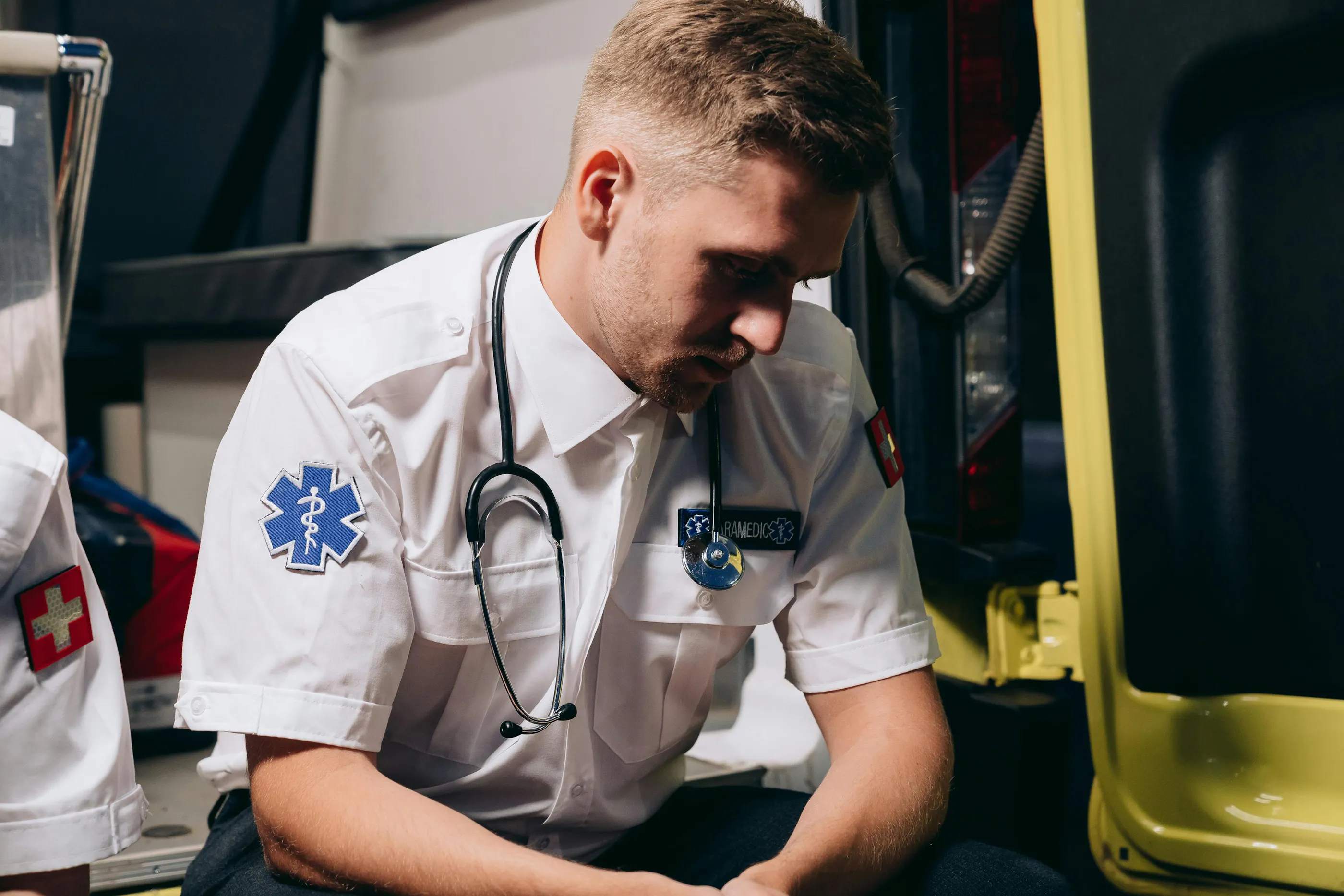
Emergency services like paramedics and firefighters must have the working capacity to handle the demands of the role.
Posted by: David Garcia
What is an occupational health check?
Occupational health screenings or checks serve as a vital resource for employers to assess whether an applicant is capable of fulfilling the job requirements. Occupational health screenings can include pre-employment physical examinations and drug testing to evaluate a candidate’s fitness level and well-being for employment, ensuring they contribute to a safe and productive workplace environment.
Why is occupational health screening important?
The pre-employment screening ensures that all possible information about the candidate’s medical condition and overall well-being is verified and examined. Here are some of the primary reasons why these screenings are important:
- Determine if the Candidates Meet All Physical Requirements of the Job: The series of functional tests provide accurate information about whether they can meet the demands of the job. For instance, if a construction worker needs to lift a specific weight, they should demonstrate those capabilities in the test.
- Establish Conditions for Candidates With Disabilities to Work: The ADA doesn’t allow discrimination against individuals with disabilities; that said, companies can still test if workers with disabilities can perform functions related to the role. That way, employers ensure those workers can work under certain conditions. Before conducting any occupational health check, ensure that you’re in compliance with the ADA.
- Monitor Health Hazards: This type of screening can be used to monitor the health status of staff at appropriate time intervals in situations where the role involves being exposed to hazards.

Hiring the right people is essential for your business. Occupational health screenings are important as a pre-screening tool so that you don’t accidentally hire people who aren’t fit for the job.
What is included in occupational health screening?
Every test can be different. But generally, an occupational health screening may include a pre-employment physical exam and possibly drug testing. A pre-employment physical exam could consist of all or some of the below:
- Drug screening
- Vision and hearing exams
- Musculoskeletal assessments
- Stress and mental well health evaluations
- Skin exams
- Measurement of vital signs, including blood pressure
- Job-related screenings like a respirator fit test
- Urinalysis
- Vaccines and antibody tests for MMR, TB, Varicella, and others
- Tests for tuberculosis and other diseases
What are the benefits of occupational health screening for employers?
As an employer, you invest a lot of money and resources in your employees. That’s why it’s important to protect your company, the people in your organization, and your customers by investing in occupational health screening services. Below, we’ll cover some of the benefits that come with these screenings:
Reduced insurance costs
When your workforce is healthier thanks to employee screening initiatives, there’s a good chance you can offer lower insurance premiums.
You can reduce costs associated with worker’s compensation, health care, and absenteeism thanks to these screenings.
Workplace injury and illness prevention
By conducting occupational health screening, you can promote safety in the workplace and reduce the risk of accidents and injury from occurring. Being proactive about workplace injury and illness is certainly the best approach.
Increased workplace productivity
There’s no doubt that a healthy workforce is happier and more productive.
When you identify health risks early on, you can manage those conditions to prevent absenteeism and extended periods of sick leave.
Compliance with health and safety regulations
Employers must comply with legal and ethical requirements to provide a safe work environment to their staff.
These screenings help companies abide by relevant health and safety standards in their respective industries.
Regular medical examinations will help identify potential safety risks to prevent incidents. On top of that, this protects organizations from legal liabilities and potential reputational damage that come with workplace accidents and injuries.
Connect with one of our screening experts
We'll answer your questions and help design a package that best fits your needs.
We will record your data for marketing purposes. Read more in our Privacy Policy.
Stay connected with ScoutLogic in Google Search
Add ScoutLogic as a preferred source to see our latest hiring and background screening insights in Google Search.
Latest resources
Discover helpful content designed to simplify hiring and give you more time to focus