Do All Jobs Drug Test Before Hiring?
Pre-employment drug testing is a useful tool for employers to build a safe and productive workforce. Because screening for substances helps uphold safety standards, you may be wondering if all jobs test before hiring.
Posted by: David Garcia
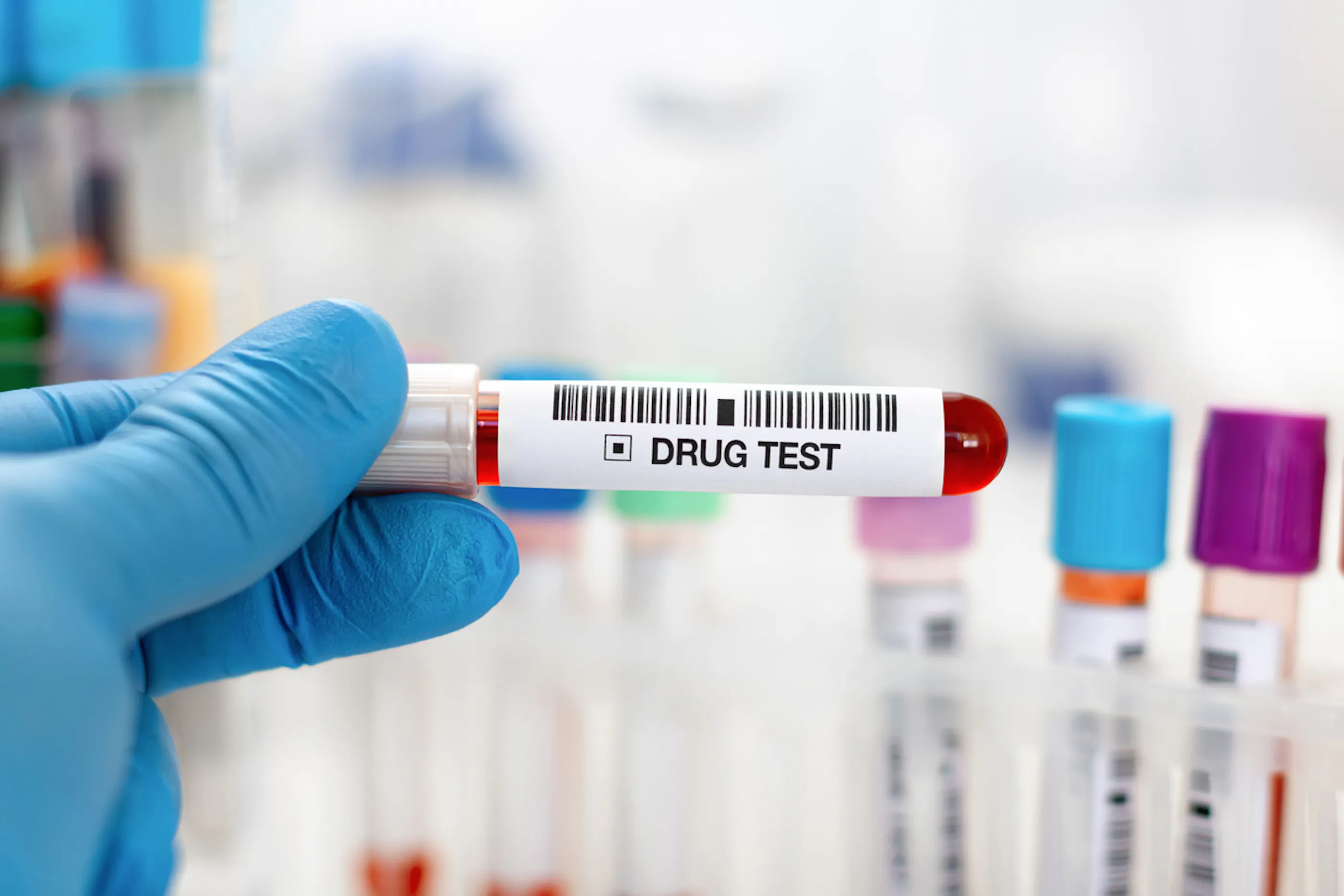
Which job industries require drug testing?
Drug testing is used to determine if a potential hire misuses or abuses both legal and illicit substances. Typically implemented during pre-employment, these tests can also be administered to employees when they return from injury, are under reasonable suspicion, or during random testing.
While many employers across the board willingly include drug testing in their workplace, some industries require it.
Transportation
The Department of Transportation (DOT) mandates strict drug testing, including random testing, for employees working in safety-sensitive roles. Strict testing prevents accidents and upholds public safety.
Construction
Construction work often involves the use of heavy machinery and precision. Substance abuse can impair construction workers’ ability to perform their tasks safely. Because of the high-risk nature, drug testing is often required.
Healthcare
Healthcare professionals often undergo extensive drug testing to ensure the safety of patients and employees. Due to the high stakes involved, healthcare employers are typically required to conduct these tests.
Government
Government officials are typically tasked with public welfare and safety. Drug testing ensures that workers in this industry are reliable. While not all government employees are subject to these tests, Executive Order 12564 prohibits the use of illicit substances by all federal employees.
Why employers use pre-employment drug testing
Employers value safety and efficiency in the workplace, and drug testing helps uphold those qualities. Substance abuse in the workplace can lower productivity as affected employees are more likely to miss work, be late, or change jobs. Drug misuse can also increase the risk of workplace accidents. Pre-employment drug testing curbs the risk of hiring people who abuse substances.
Job applications indicating that employment may depend on drug test results can prevent risky candidates from applying altogether. These tests are necessary for employers to reduce the cost of workers’ compensation claims, medical expenses, and turnover.
What pre-employment drug tests screen for
Pre-employment drug tests screen for different substances depending on the test type. The most common type is the 5-panel test, which typically screens for amphetamines, cocaine, opiates, PCP, and THC.
Employers may also request tests that screen for other substances. 10-panel tests screen for the aforementioned substances, as well as barbiturates, benzodiazepines, methadone, methaqualone, and propoxyphene.
Testing typically consists of sample collection and an initial screening to determine the presence of selected substances. In the case of a positive result, a confirmation screening may be performed with a review by a medical review officer (MRO) before results are returned.

Not all jobs require drug testing before hiring, but there are several reasons why employers choose to include it. These tests increase safety and improve productivity in the workplace.
Regulatory and compliance for employment drug testing
ADA protections and non-discrimination in testing
The Americans with Disabilities Act (ADA) prohibits workplace discrimination based on an individual’s disability. These protections extend to recovering substance abusers who have undergone rehabilitation. Employers cannot deny someone employment or promotion based on their substance abuse history or enrollment in a rehabilitation program.
Title VII of the Civil Rights Act of 1964 prohibits workplace discrimination based on race, sex, national origin, color, or religion. Employers cannot single out groups for drug testing based on their protected characteristics.
Under the Family and Medical Leave Act, eligible employees can take up to 12 weeks of unpaid leave for their serious medical conditions or those of immediate family members. This law allows employees to take unpaid leave to attend rehabilitation programs or care for a family member undergoing treatment.
Federal and DOT-related requirements
The Drug-Free Workplace Act of 1988 requires certain drug testing policies for employers receiving federal contracts worth $100,000 or more, or companies receiving federal grants. Covered employers must do the following:
- Publish and distribute a statement prohibiting the use, possession, distribution, or manufacture of controlled substances, and specify the consequences for violations.
- Establish a drug-free awareness program.
- Notify employees of their requirement to report a drug conviction within five days if the violation occurred in the workplace.
- Notify the Grant Officer of any drug conviction within 10 days.
- Take action against the convicted employee within 30 days by either terminating their employment or requiring them to undergo a rehabilitation program.
The Omnibus Transportation Employee Testing Act of 1991 requires drug testing programs for employers in the transportation industry, while the Department of Defense (DOD) has screening regulations for contractors that contract with the DOD.
Policy documentation and adverse action procedures
While drug testing guidelines vary by state, there are some recommended practices. Applicants must know that pre-employment drug testing is part of the onboarding process; applicants for the same position must undergo the same type of drug test; drug tests must be administered at a state-certified laboratory; employment should be contingent on passing the drug test; and applicants should be allowed to challenge failed results.
Employers should notify applicants and employees in writing of their intent to conduct a drug screening. They must obtain written consent from the applicant or employee to authorize the administration of the drug test. The chain of custody for the candidate’s sample must be tracked from the time of collection through to the analysis of the sample. If employment is being denied based on screening results, employers must follow the adverse action steps set forth by the Fair Credit Reporting Act (FCRA) before finalizing decisions.
As always, employers are advised to seek legal counsel if they are concerned about their screening program’s compliance with state regulations.
Connect with one of our screening experts
We'll answer your questions and help design a package that best fits your needs.
We will record your data for marketing purposes. Read more in our Privacy Policy.
Latest resources
Discover helpful content designed to simplify hiring and give you more time to focus