What Is a 10-Panel Drug Test?
Drug testing has become a routine method of maintaining a safe and productive working environment. These tests detect illicit substances and allow employers to make informed decisions when hiring potential candidates or dealing with current staff.
Posted by: David Garcia
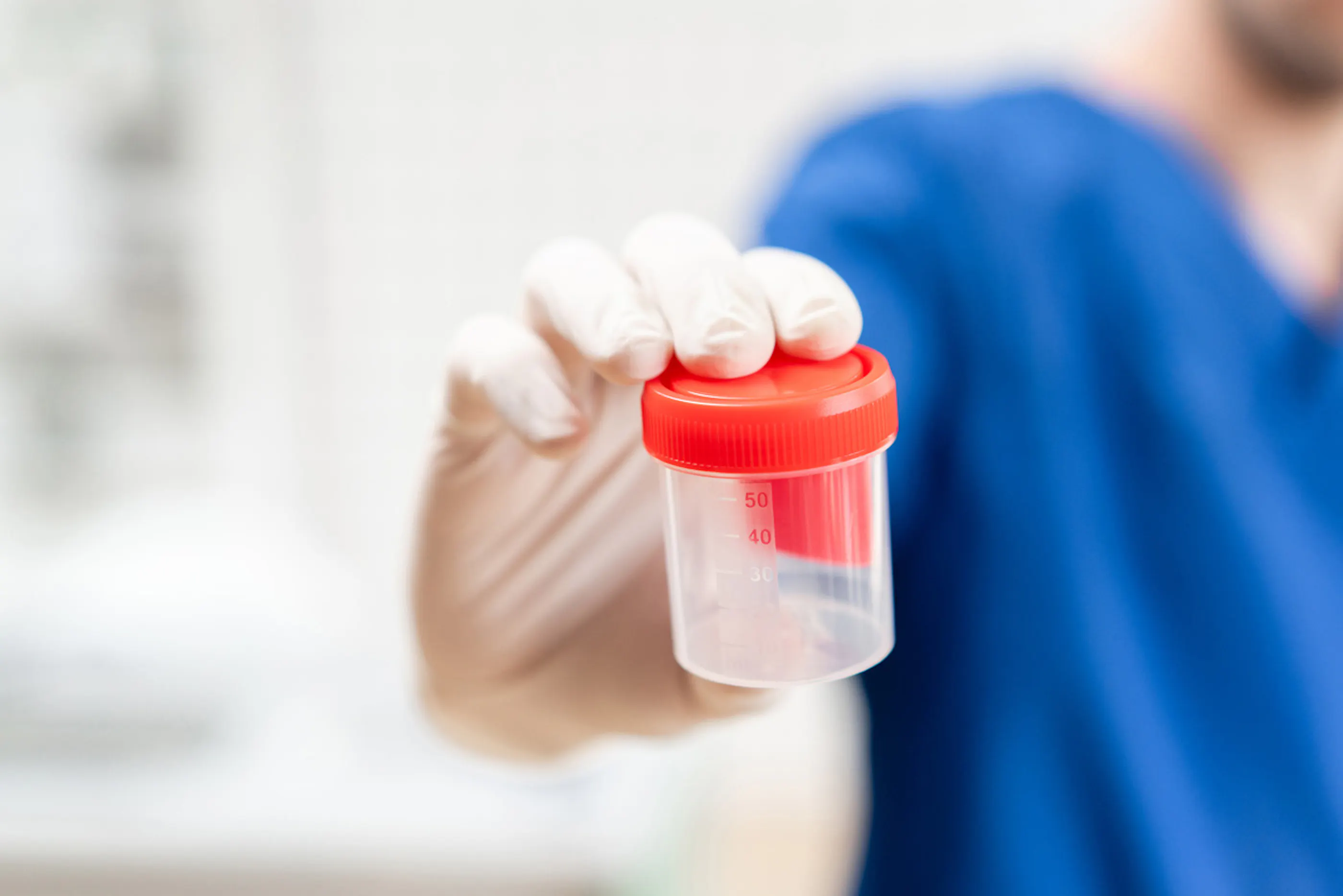
What is a 10-panel drug test?
Drug testing utilizes panels that each test for a different type of illegal and typically abused controlled substance. A 10-panel drug test detects recent use of 10 commonly abused substances.
Most workplaces use 5-panel drug tests, but some employers administer 10-panel drug tests. These extensive substance screenings may be administered to those in law enforcement, occupational medicine, and civil service.
Panel tests detect metabolites created when the body breaks down a substance. A 10-panel drug test could be used during pre-employment, due to reasonable suspicion, after an accident, for random screenings, and more.
10-panel drug tests normally test urine as the targeted substances leave traces in urine as they pass out of the body. Urine testing is more sensitive in detecting substances than saliva testing. While hair and blood testing are more accurate, the process is more complicated. Blood testing is only utilized when immediate results are needed due to its intrusive nature.
What is included in a 10-panel drug test?
The 10-panel drug test detects metabolites linked to amphetamines, cocaine, opiates, PCP, THC, barbiturates, benzodiazepines, methadone, methaqualone, and propoxyphene. A more extensive screening, this panel test covers the same substances targeted by 5 and 7-panel tests.
The 10-panel drug test does not screen for alcohol, though alcohol detection can be requested. Some employers are no longer permitted to test for THC as marijuana laws change. However, alternative panel testing is available to cover other illegal substances.
Employees are usually given a 24-hour notice before taking a 10-panel drug test, though some safety-sensitive professions require candidates to agree to random screenings. Employers can also include special instructions like dietary restrictions.
Test environments may vary based on the administrator and the collected sample. Because most drug tests require urinary samples, bathrooms are common locations. Some measures may be taken to ensure test samples are not tampered with.
The panel testing process is straightforward. The candidate collects urine in a cup, seals the container, and then submits it to the administrator.
If a saliva sample is required, candidates place an absorbent pad in their mouth until enough saliva is collected for testing. Hair testing is as simple as snipping a small amount of hair. Blood testing requires a professional to draw blood for analysis.

Not many people are fond of drug testing, but it has become a staple in the workplace to maintain safety standards. Utilized in the recruitment process to ensure the right candidate is hired, drug testing can reduce safety risks and company costs.
How far back does a 10-panel drug test go?
Detection times for substances in a 10-panel drug test vary depending on the type of collection method, the type of substance used, the frequency of use, and the amount used. Alcohol can also affect drug metabolism and alter detection times.
Different substances leave behind detectable metabolites for varying periods. Here are the average substance detection times among the 10-panel drug tests using a urine analysis.
Substance Detection Time
Amphetamines 2 days
Barbiturates 2-15 days
Benzodiazepines 2-10 days
Cocaine 2-4 days
Methadone 2-7 days
Methaqualone 10-15 days
Opiates 2-4 days
Phencyclidine 8-14 days; up to 30 days for chronic users
Propoxyphene 2 days
THC 2-3 days for light smokers; 5 days for moderate smokers; 10 days for daily smokers; and up to 28 days for chronic smokers
Hair tests can show drug usage for up to 90 days. Saliva tests are non-invasive, but detection times are often limited to a few days. Despite being the most accurate, blood testing is limited to a couple of days.
How long do 10-panel drug tests usually take?
Many panel tests yield results immediately, while others must be sent to a lab for analysis. Test results are typically available within three business days, but certain factors can affect the turnaround times.
Some samples must be shipped to a lab or may require additional testing. Results may be available within a few days, depending on the lab’s efficiency. A positive test result, however, can elongate the process.
Some results may require a follow-up with a Medical Review Officer (MRO). An MRO is a licensed physician trained to review and interpret panel test results. When a positive or inconclusive result is received, the MRO contacts the candidate. Results that require MRO involvement can take up to 10 days to finalize.
What employers can expect from 10-panel drug screening
10-panel drug tests will yield one of the following three results: negative, positive, or inconclusive. A negative result means the substance wasn’t found or wasn’t concentrated enough to be found. It doesn’t suggest the candidate has never taken the drug.
A positive result means the substance was found in the candidate’s system. If traces of the substance are found, a second round of testing is often conducted to confirm the positive result. If the positive is confirmed, an MRO will speak to the candidate for context before it’s made available to the employer.
An inconclusive result means the test was unsuccessful due to one of many reasons. The sample may have been diluted or insufficient, or there may have been an error in the testing process. Employers often ask candidates to retake an inconclusive test.
Despite being accurate, urine tests can sometimes result in false positives, particularly when the candidate has taken medication, CBD, or specific foods. These substances share similarities with the ones being tested.
Candidates will be asked to disclose any substances that may have triggered the false positive. They may also dispute the result and request a retake if they feel wrongly evaluated.
Connect with one of our screening experts
We'll answer your questions and help design a package that best fits your needs.
We will record your data for marketing purposes. Read more in our Privacy Policy.
Stay connected with ScoutLogic in Google Search
Add ScoutLogic as a preferred source to see our latest hiring and background screening insights in Google Search.
Latest resources
Discover helpful content designed to simplify hiring and give you more time to focus