How To Read Employment Drug Test Results
A drug test report full of unfamiliar terms and numeric codes can leave even experienced HR leaders unsure what they're actually looking at. This guide breaks down what employment drug test results mean, how panels and cutoff levels work, and what to do when a result isn't a clear negative.
Posted by: David Garcia
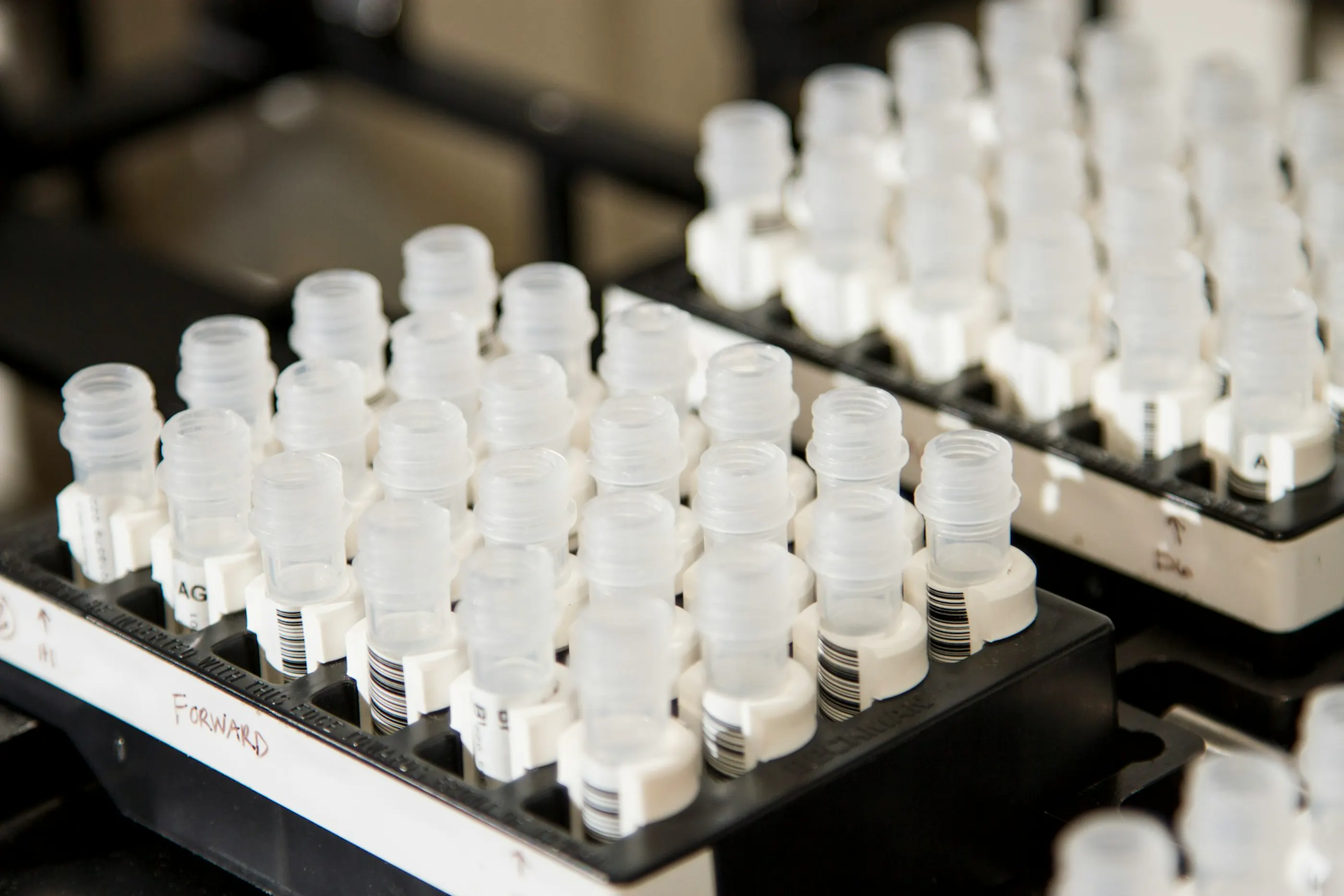
What Employment Drug Test Results Actually Tell You
An employment drug test result confirms whether a specific substance was present in a candidate's sample at or above a defined threshold at the time of collection. That's it. The result is a snapshot, not a full picture.
A drug test result does not tell you how often someone uses a substance, whether they were impaired on the job, or when exactly they used it. A single positive result for marijuana, for example, can reflect use from days or even weeks earlier, depending on the drug and the testing method used. This distinction shapes how employers interpret and act on results. A positive screen is a starting point for review, not a verdict.
This is why context matters in the next step: Medical Review Officer review.
Understanding the Different Employment Drug Test Results
Lab reports typically classify results into one of several categories. Knowing what each one means helps you respond appropriately instead of guessing.
Negative
No target substance was detected above the cutoff level. This is the most common result and requires no further action from the employer. Negative results are typically available within 24 to 48 hours.
Positive
One or more substances were detected at or above the confirmatory cutoff level. A positive result on the initial screen still goes through confirmatory testing and Medical Review Officer review before it's reported to the employer as final.
Invalid or Inconclusive
The lab was unable to determine a clear negative or positive, often due to a technical or sample issue. Invalid or inconclusive results usually require a retest.
Dilute
The sample's creatinine and specific gravity levels are lower than expected, which can happen naturally or through excessive fluid intake before the test. A dilute negative is still reported as negative, but a dilute result with detectable substances may prompt a retest depending on employer policy.
Substituted or Adulterated
The sample's physical or chemical characteristics are inconsistent with human urine, suggesting the sample was tampered with or replaced. Many employer policies and federal regulations governing certain safety-sensitive positions treat substituted or adulterated specimens as a refusal to test.
How Drug Test Panels Work
Drug test panels determine which substances a test screens for. The number in the panel name (4-panel, 5-panel, 10-panel) refers to how many drug classes are included, not how thorough or accurate the test is.
A standard 5-panel drug test typically screens for marijuana, cocaine, opiates, amphetamines, and PCP. A 10-panel drug test expands that list to include substances like benzodiazepines, barbiturates, methadone, and propoxyphene, making it a common choice for safety-sensitive roles or industries with stricter compliance requirements.
Panel selection matters because it directly affects what shows up in the results. A candidate could test negative on a 5-panel test while a substance outside that panel goes undetected entirely. Employers should choose a panel based on the role's risk profile, industry regulations, and company policy, not just cost.
Panel selection is only one piece of the equation. The type of drug test used, whether urine, hair, or saliva, also determines the detection window and which substances are likely to show up. For federally regulated positions, panel requirements are typically set by SAMHSA's Mandatory Guidelines for Federal Workplace Drug Testing Programs.
What Are Cutoff Levels, and Why Do They Matter?
Cutoff levels are the minimum concentration of a substance, measured in nanograms per milliliter (ng/mL), required for a lab to report a result as positive. Levels below the cutoff are reported as negative even if trace amounts of a substance are technically present.
Testing typically happens in two stages. An initial immunoassay screen uses a higher cutoff to flag potential positives, and any sample that exceeds that threshold moves to confirmatory testing, usually gas chromatography-mass spectrometry (GC-MS) or liquid chromatography-tandem mass spectrometry (LC-MS/MS), which applies a lower, more precise cutoff.
For marijuana, the federal initial cutoff is 4 ng/mL and the confirmatory cutoff is 2 ng/mL. For cocaine, the initial cutoff is 15 ng/mL and the confirmatory cutoff is 8 ng/mL, per SAMHSA's Mandatory Guidelines for oral fluid testing. Cutoff levels also vary by specimen type. Urine, oral fluid, and hair each carry different federal thresholds, so the cutoffs referenced above reflect oral fluid testing specifically.
This two-tier system exists to reduce false positives. A sample has to clear both thresholds before it's reported as a confirmed positive, which is why results can take longer than employers expect.
The Role of the Medical Review Officer
A Medical Review Officer (MRO) is a licensed physician responsible for reviewing every non-negative laboratory result before it reaches the employer. The MRO's job is to determine whether there's a legitimate medical explanation for the result, not to advocate for the candidate or the employer.
When a lab reports a non-negative result, the MRO contacts the candidate directly to discuss the finding. If the candidate has a lawfully prescribed medication that fully explains the laboratory result, the MRO may verify the test as negative. If no legitimate medical explanation exists, the MRO verifies the result as positive. This process helps protect candidates from being penalized for lawful prescription drug use while giving employers confidence that reported positives have been properly reviewed.
This verification step is why ScoutLogic's clients receive final results with far more context than a raw lab printout provides.
False Positives: What Causes Them and What to Do
True false positives are less common than many employers assume, but cross-reactivity is real. Certain antibiotics, anti-nausea medications, hypertension drugs, and some prescription painkillers have been shown to trigger positive screens for substances the candidate never used. Poppy seed products have also drawn attention: the U.S. Department of Defense issued a formal warning to service members in 2023 after lab analysis found some seed varieties carried higher-than-expected codeine contamination, though the poppy seed washing process used in the United States removes most residue before sale.
If a candidate disputes a positive result, the right move is to let the process work as designed. The MRO review exists specifically to catch these situations, and candidates should be given the opportunity to provide documentation of a prescription or medical explanation before any employment decision is finalized. Employers should never make a final call based on an initial screen alone.
What Employers Should Do After a Positive Result
- Wait for the MRO-verified final result before taking any action. An initial lab flag is not the final word.
- Notify the candidate in writing and provide them the opportunity to explain or contest the result, consistent with your company's drug testing policy.
- Apply your policy consistently across all candidates in similar roles to avoid the appearance of discriminatory treatment.
- Document each step of the process, including notifications and candidate responses, in case the decision is ever reviewed or challenged.
- Consult legal counsel before withdrawing an offer or terminating employment if the situation involves ambiguity, such as a disputed result or a request for medical accommodation.
Your Legal Obligations Around Drug Test Results as an Employer
Employment drug testing sits at the intersection of federal, state, and sometimes local law, and requirements vary by location and industry. This section offers general guidance, not legal advice, and employers are encouraged to consult qualified legal counsel before finalizing any drug testing policy or acting on a specific result.
Fair Credit Reporting Act (FCRA)
When a third-party administers the drug test as part of a broader background check, the Fair Credit Reporting Act generally requires employers to provide notice and, in some cases, an opportunity to dispute the result before taking adverse action. This typically includes a pre-adverse action notice, a copy of the report, and a summary of rights.
Equal Employment Opportunity Commission (EEOC) Guidance
The Equal Employment Opportunity Commission has addressed how drug testing intersects with disability protections, particularly around legally prescribed medications. Employers are generally encouraged to apply drug testing policies consistently and to avoid treating a positive result for a legally prescribed medication the same as illicit drug use.
State and Local Drug Testing Laws
Many states impose their own rules on when and how employers can drug test, including requirements around written policies, advance notice, and marijuana-specific protections in states where recreational or medical use is legal. These laws vary widely and change frequently, so employers should confirm current requirements in every state where they operate before finalizing a testing program.
Frequently Asked Questions
Can a Positive Drug Test Result Be Wrong?
Yes, in some cases. Cross-reactivity with certain medications or lab error can produce an initial positive that doesn't hold up under confirmatory testing or Medical Review Officer review. This is why non-negative results go through additional verification before being reported as final.
How Long Does It Take to Get Employment Drug Test Results?
Negative results are often available within 24 to 48 hours. Non-negative results typically take longer because they require confirmatory testing and Medical Review Officer review before a final result is reported to the employer.
Can an Employer Withdraw a Job Offer Based on a Positive Drug Test?
Generally, yes, once the result has been confirmed and verified by a Medical Review Officer, though employers should follow FCRA notice requirements and applicable state law before finalizing that decision.
Accurate Drug Test Results Start With the Right Screening Partner
ScoutLogic's employment drug testing services are built around clear, verified reporting so employers aren't left interpreting a lab printout on their own. Combined with accurate screening practices and guidance on whether drug testing applies to your open roles, ScoutLogic gives hiring teams the clarity they need to make confident, compliant decisions.
Stay connected with ScoutLogic in Google Search
Add ScoutLogic as a preferred source to see our latest hiring and background screening insights in Google Search.

Latest resources
Discover helpful content designed to simplify hiring and give you more time to focus