5 Most Accurate Practices for Drug Testing
Drug testing helps employers screen potential hires and identify employees under the influence of prohibited substances. Proactive drug testing policies can help protect an organization from potential liability.
Posted by: David Garcia
1. Choose the most appropriate drug testing method & why
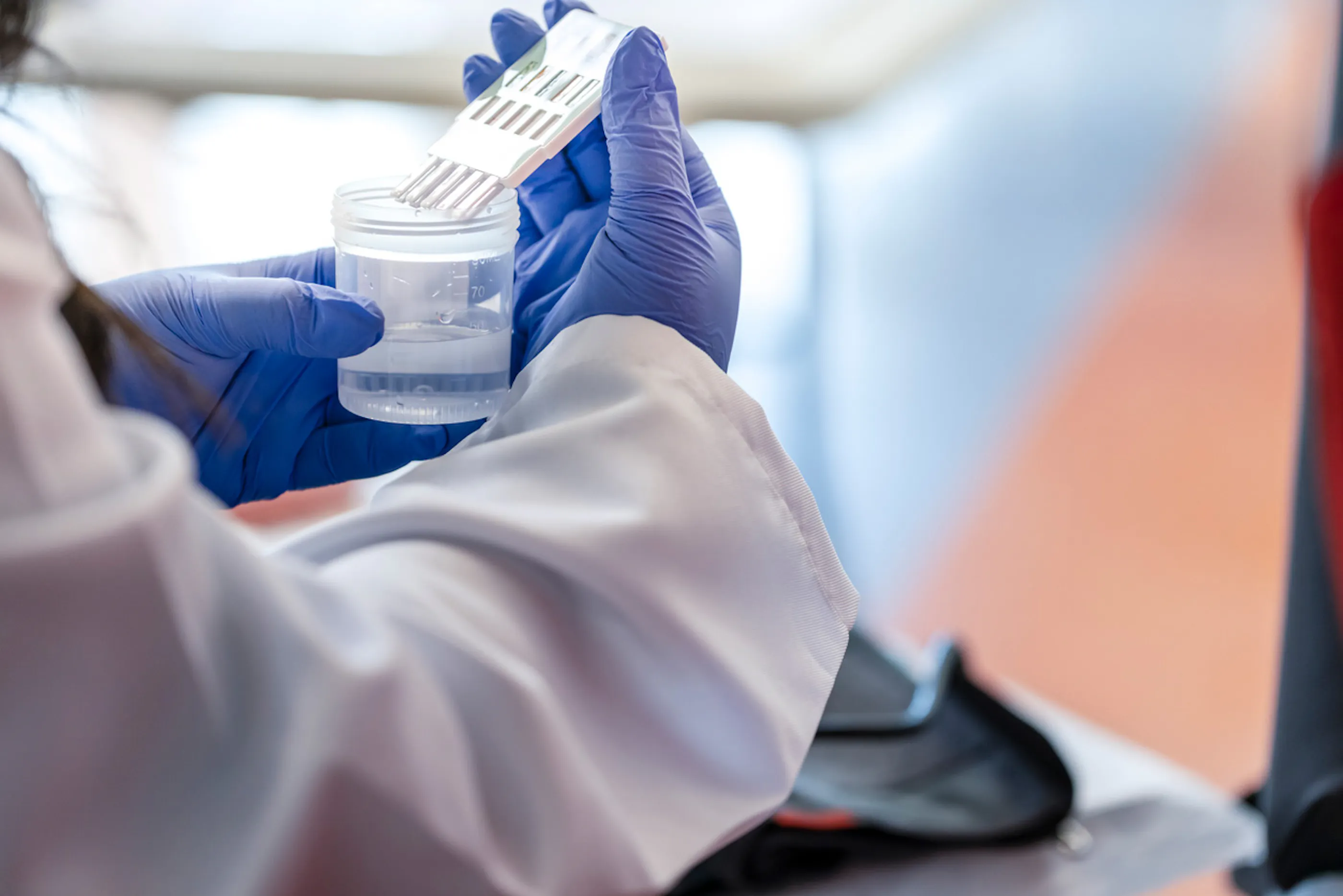
When it comes to testing for drugs, employers must choose the most appropriate method as well as the reason for testing of their organization. Important considerations include the detection or impairment window, cost, and the burden testing puts on employees. Are you engaging the drug test service for pre-employment only or considering the post hire testing for: position transfer, promotion, reasonable suspicion, post accident, substance abuse program or random.
A fair, consistent, and transparent drug testing policy helps ensure valuable employee retention.
Here are the most commonly available drug testing methods for employers.
Urine
Urine tests are the most common form of drug testing and the only currently approved method covered by federal guidelines – though there are notable inclusions for saliva tests.
Urine tests offer a detection window of about 1-4 days for most drugs and are one of the more cost-effective options. Other advantages include a standardized process to administer and collect the tests, nationwide collection site coverage, and lab or instant test options. Detection times breakdown per analyte so it is best the drug test panel configuration covers the desired expectation: Approximate Drug Detection Time in the Urine
On the other hand, some downsides include a limited detection window and risk of contamination or cheating since most medical professionals won’t directly observe urine tests.
Hair
Hair follicle tests have a much longer detection window, up to 90 days, but can be more expensive and invasive than other methods. They’re also more costly than urine or saliva tests and may not detect recent use within 5-7 days of the testing date. Testing often proves difficult or impossible for those with short hair or a lack of hair.
However, the upsides are that hair testing allows for a much larger detection window and requires a technician for collection, minimizing the risk of fraud.
Saliva
Saliva tests are another standard testing option (just behind urine tests) with a detection window of up to 48 hours after drug use. Saliva testing is convenient, cost-effective, and suitable for high-volume testing. It also allows for direct observation of collection to minimize tampering risk.
Saliva tests are more accurate for certain drugs (like cannabis) than urine tests and can be less expensive than lab urine tests.
With such a short detection window, however, saliva tests only reflect recent drug use and may be best reserved for random testing.
2. Decide on an effective drug testing window
Once you decide on the type of testing you’ll use, determine an effective drug-testing window that gives employees enough time and notice to get it done – but not enough time to cheat the system or tamper with results. Most employers maintain a 24-hour window for job applicants, but up to three days may be necessary.
For random workplace tests initiated by reasonable employer suspicion, giving employees a window of 1-3 hours to complete the test is manageable. Random tests must use a different, much shorter testing window to maintain the integrity of the results.
By following best practices for drug testing, employers can ensure their employees adhere to safety protocols while protecting themselves from potential legal issues.
3. Implement a post hire drug testing program
Establish a post hire testing that includes not on the safety of the employee but you as an employer as well. These safeguards help tremendously in managing overall Health Insurance benefits as prescription misuse is becoming an epidemic but to also protect from injury in a proactive measure. With a Random drug testing program you decide when to test or what signs may provoke an unscheduled test. Unless you have a suspicion, randomly chosen employees should only be tested once per year, or even less for some industries.
Outline the selection process for who gets tested (and at what frequency) in your company policies. That way, new and current employees know what to expect.
Here are a few things to consider as you develop your post hire drug testing policy:
- Selection – Ensure selection is truly random, giving employees the same odds of being selected each time. Getting selected in one round should not exclude an employee from potentially getting chosen in the next round.
- Maintain tight time windows – Random drug testing should be collected almost immediately. Use an on-site collection site or direct employees to the closest location.
- Request fast turnaround times – Avoid sending workers who tested positive back to work by requesting prompt confirmation of positive tests from your provider.
4. Streamline the drug testing process with technology
Today, you can automate many drug testing processes with technology to save your company time and money. Technology such as automated scheduling, appointment reminders, digital forms, and specimen collection kits can help streamline the process and reduce overall costs. When verifying results, digital documentation is more secure than paper records.
Some benefits of electronic scheduling and management of drug testing include the following:
- Tracking the process from collection, analysis, and results
- Minimized, streamlined communication
Learn more about ScoutLogic’s drug testing solutions.
5. Develop a comprehensive drug test policy
Create clear drug testing policies that detail who you will test, how often, under what circumstances, and what will happen if the test returns positive.
A transparent testing process helps reduce risks associated with false positives and maintains employee fairness.
Companies should also consider zero-tolerance policies for employee drug use or possession on the premises to help ensure a safe working environment and limit potential liability.
If you want to be sure you’re including the most critical points in your drug testing policy, review the US Department of Health and Human Services’s toolkit.
At a bare minimum, a drug testing policy should contain the following:
- The rationale behind the approach – such as company goals and compliance with local, state, or federal law
- Compliance expectations
- Options for employee support
- Frequency of random tests
- Grounds for suspicion for targeted tests
- Consequences of positive drug test results
Connect with one of our screening experts
We'll answer your questions and help design a package that best fits your needs.
We will record your data for marketing purposes. Read more in our Privacy Policy.
Stay connected with ScoutLogic in Google Search
Add ScoutLogic as a preferred source to see our latest hiring and background screening insights in Google Search.

Latest resources
Discover helpful content designed to simplify hiring and give you more time to focus